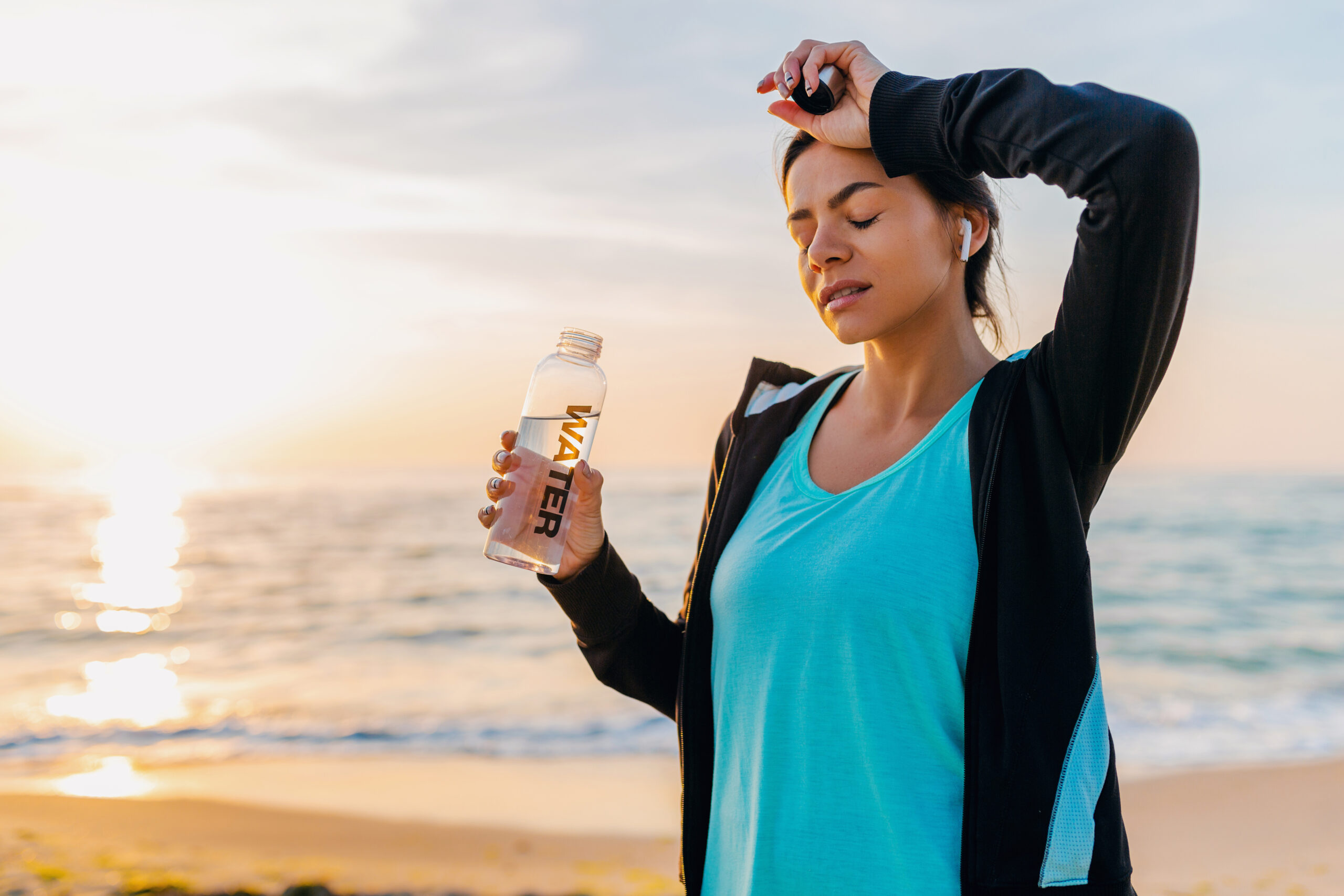
What is Summer Dehydration?
During hot months, your body loses water faster. This is called summer dehydration. When you sweat more, you need to drink more fluids. If you do not replace lost water, you may feel weak or dizzy. Summer dehydration can affect anyone, but some people are at higher risk. For this reason, it is important to know how to stay hydrated and safe.
Common Symptoms of Dehydration in Summer
Dehydration can show up in many ways. Early signs are often mild, but they can get worse quickly. Therefore, watch for these common symptoms:
If you notice these signs, drink water right away. In some cases, symptoms can become severe. For example, confusion, fainting, or rapid breathing may occur. If this happens, seek help immediately.
Causes of Dehydration During Hot Weather
Hot weather increases your risk of dehydration. When you sweat, your body cools down, but you lose fluids. In addition, spending time outdoors or exercising in the heat makes you lose even more water. Sometimes, you may not feel thirsty until you are already dehydrated. Also, drinking alcohol or caffeine can make you lose fluids faster. For these reasons, it is important to drink water often, even if you do not feel thirsty.
Who is Most at Risk?
Some people are more likely to get dehydrated in summer. For instance, children and older adults are at higher risk. People with chronic illnesses, such as diabetes or heart disease, should be extra careful. In addition, athletes and outdoor workers lose more fluids through sweat. Pregnant and breastfeeding women also need more water. Because of these risks, these groups should pay close attention to their fluid intake.
Effective Prevention Tips to Stay Hydrated
Staying hydrated in summer is simple if you follow a few tips. Here are some easy ways to prevent dehydration:
By following these tips, you can lower your risk of summer dehydration. In addition, you will feel more energetic and comfortable during hot days.
Safe Hydration Practices and Lifestyle Guidance
Good hydration habits keep you healthy all summer. For example, start your day with a glass of water. After that, drink small amounts often instead of large amounts at once. If you exercise, drink water before, during, and after activity. Also, choose water-rich snacks, such as oranges or grapes. If you are caring for children or older adults, remind them to drink water often. Because heat can sneak up on you, plan outdoor activities during cooler hours.
When to Seek Medical Help
Sometimes, dehydration can become serious. If you or someone else has these symptoms, get medical help right away:
According to the CDC and WHO, severe dehydration needs quick treatment. Early care can prevent serious health problems.
In summary, summer dehydration is preventable. Drink water often, watch for warning signs, and protect those at higher risk. For personalized hydration guidance during summer, consult Dr. Sriram Vempaty.