What is Hypoglycemia?
Hypoglycemia (low blood sugar) happens when the level of sugar in your blood drops too low. Usually, blood sugar gives your body energy. However, when it falls below normal, your body and brain cannot work well. For many people, this means a blood sugar level below 70 mg/dL. Hypoglycemia can affect anyone, but it is more common in people with diabetes. Still, it is important for everyone to know about this condition.
Why is Hypoglycemia Often Neglected?
Many people focus on high blood sugar, but low blood sugar is often ignored. For example, some may not notice mild symptoms or may think they are just tired. In addition, hypoglycemia can happen suddenly, making it easy to miss. Doctors and patients may also pay more attention to other heart problems, so this complication is overlooked. Yet, ignoring hypoglycemia can be dangerous, especially for heart health.
Common Symptoms of Low Blood Sugar
Recognizing hypoglycemia symptoms early can help prevent serious problems. Some signs of low blood sugar include:
Sometimes, symptoms can be mild. However, if left untreated, they can become severe and even lead to fainting or seizures.
Causes and Risk Factors
There are many reasons why hypoglycemia (low blood sugar) can happen. Some common causes and risk factors include:
Because of these risks, it is important to watch for signs of low blood sugar, especially if you have heart disease or diabetes.
How Hypoglycemia Affects Heart Health
Low blood sugar can be dangerous for your heart. For instance, it can cause your heart to beat too fast or irregularly. Over time, repeated episodes may increase the risk of heart attacks or other heart problems. According to the American Heart Association, hypoglycemia can also make existing heart disease worse. Therefore, managing blood sugar is important for heart health, whether you have diabetes or not.
Diagnosis and Monitoring
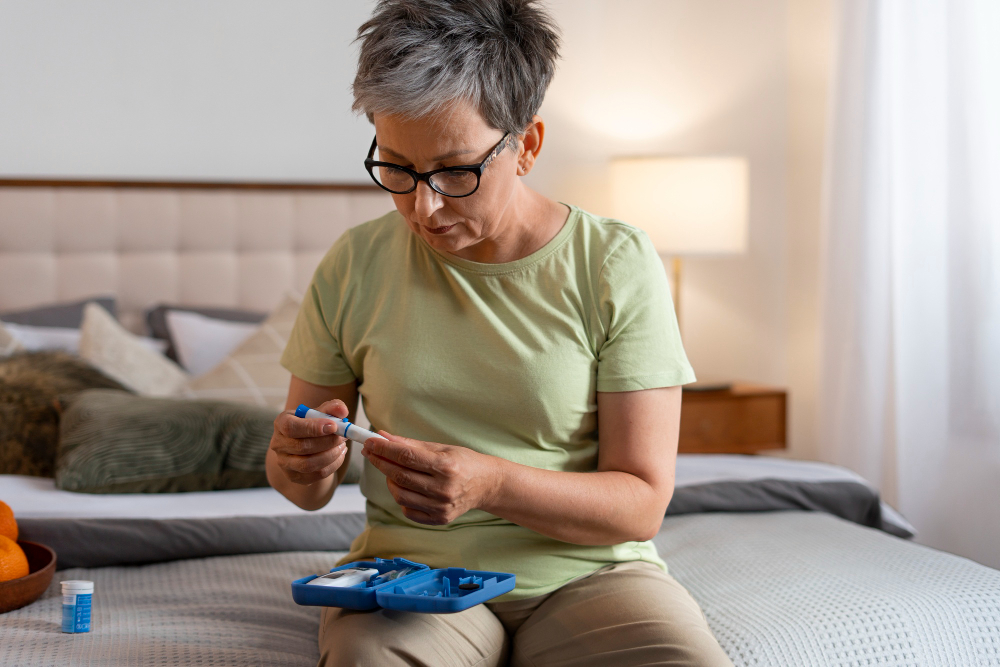
Doctors diagnose hypoglycemia by checking your blood sugar levels. Usually, a simple finger-prick test is enough. Sometimes, you may need to check your blood sugar at home, especially if you have diabetes. In addition, your doctor may ask about your symptoms and medical history. Regular monitoring helps catch low blood sugar early and prevents complications.
Treatment and Emergency Steps
If you notice signs of low blood sugar, act quickly. Here are some emergency steps:
If someone faints or cannot swallow, call emergency services right away. Never give food or drink to someone who is unconscious.
Lifestyle Tips for Prevention
Preventing hypoglycemia is possible with some simple steps. For example, you can:
With these habits, you can lower your risk of low blood sugar and protect your heart.
When to Seek Medical Help
Sometimes, hypoglycemia can be serious. Seek medical help if:
Early treatment can prevent complications and keep your heart healthy.
In summary, hypoglycemia (low blood sugar) is a common but often neglected complication, especially in cardiology. Recognizing symptoms, knowing the risks, and taking action can protect your heart and overall health. Consult Dr Sriram Vempaty if you experience symptoms of hypoglycemia or need personalized advice.