Introduction
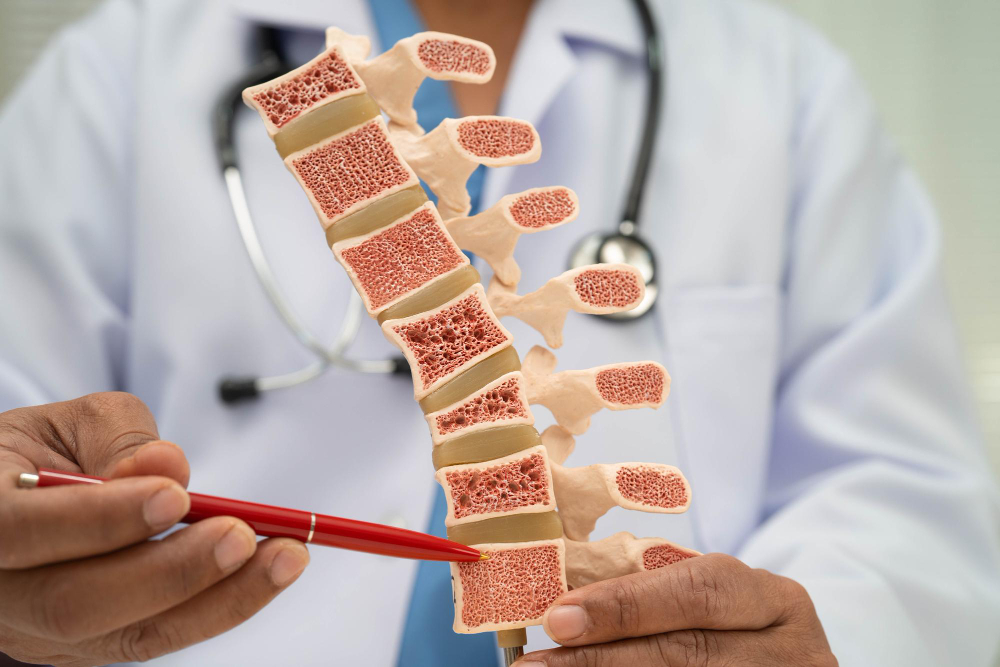
Osteoporosis is a common condition that affects bone health. It causes bones to become weak and fragile. Because of bone density loss, even a small fall can lead to a fracture. Many people do not know they have osteoporosis until a bone breaks. In the US, millions are at risk for osteoporosis, especially older adults. Understanding the risk factors for osteoporosis can help you protect your bones. Early detection and healthy habits are important for strong bones.
What Is Osteoporosis?
Osteoporosis is a disease that makes bones thin and brittle. As a result, bones lose strength and break more easily. Normally, our bodies build new bone and remove old bone. However, with osteoporosis, bone loss happens faster than bone growth. This leads to fragile bones. Anyone can get osteoporosis, but it is more common in women, especially after menopause. Older adults and people with a family history of weak bones are also at higher risk. Because osteoporosis often develops slowly, many people do not notice any changes until a bone breaks.
Causes of Osteoporosis
Several factors can lead to osteoporosis. Some causes are out of your control, while others relate to lifestyle choices. Knowing these causes can help you lower your risk.
Because many causes are linked to daily habits, making healthy choices can help protect your bones.
Symptoms of Osteoporosis
Osteoporosis is often called a “silent disease.” This is because it usually does not cause pain or other signs early on. However, as bone loss continues, symptoms may appear. Early detection is important to prevent serious problems.
Sometimes, people notice they are getting shorter or their clothes fit differently. If you have any of these signs of osteoporosis, talk to your doctor. Early treatment can help slow bone loss and lower the risk of fractures.
Conclusion
Osteoporosis can affect anyone, but some people are at higher risk. Because it often has no early symptoms, regular check-ups and healthy habits are key. If you are concerned about bone density loss or osteoporosis risk, do not wait. Consult a healthcare professional Dr Sriram Vempaty for personalized advice on osteoporosis prevention and management.